
Recording and management systems spanning small PoE NVRs through high-channel AI recorders and specialty platforms.
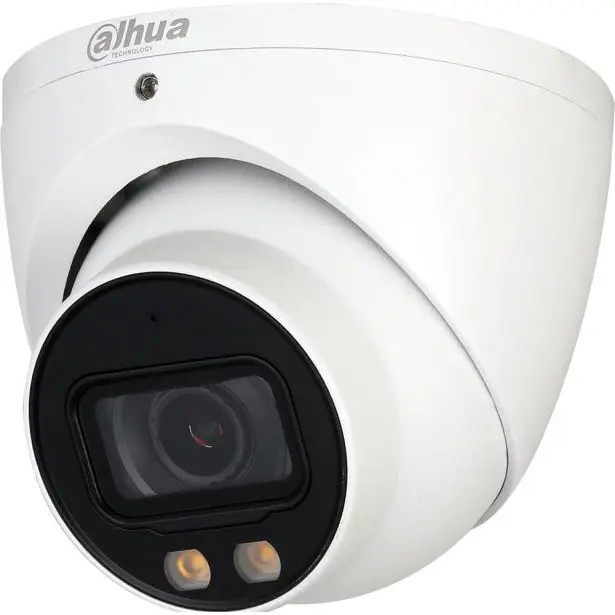
Product and system guidance
Dahua Ultra, Pro/Lite, WizMind and WizSense recorders differ in channels, incoming bandwidth, HDDs, PoE, decoding and server-side AI. Thermal, intercom, access and alarm products are separate design areas. Validate exact firmware, licenses, integrations and procurement compliance.
- 4–256 channel NVR, PoE and HDD/RAID sizing
- WizMind/WizSense recorder-side analytics
- Client/mobile/software and multi-site management
- Thermal, video intercom, access and alarm integration
- Scene survey, pixels on target, lens and mounting
- Bandwidth, storage, retention and evidence export
- Firmware, cybersecurity, user roles and remote access
- Current regulatory, procurement and customer compliance requirements
Engineering before procurement
Boston High Tech validates current model availability, firmware, licenses, analytics, VMS compatibility and storage calculations. We do not publish private certificate numbers or named certificate-holder records; qualifications can be confirmed through appropriate private channels.
Request a video-system design review
Serving projects from our Charlotte headquarters and local client offices in Massachusetts, New York and New Jersey. Office visits are arranged in advance.
Official manufacturer references
How to compare and specify this product family
For Dahua NVR, Software, Thermal and Integrated Security, the right model and architecture depend on the site, existing infrastructure and operating policy. A proposal should clearly document the following video-surveillance system decisions before equipment is ordered:
- Scene purpose and required pixels on target
- Lens, mounting height, WDR, IR and low-light needs
- Analytics supported by the selected camera and VMS
- Bandwidth, PoE and network segmentation
- Retention, storage throughput and export workflow
- User roles, cybersecurity, health monitoring and support
Installation, testing and handoff
Design starts with the evidence or operational result required at each scene—not megapixels alone. We document fields of view, identification targets, lighting, camera placement, network load, recording profiles and retention assumptions. Commissioning covers focus, exposure, time synchronization, analytics calibration, user permissions, mobile or remote access, export testing and health alerts. Final documentation records device names, locations, addressing, retention settings and administrator procedures without publishing private credentials.
Frequently asked questions
Questions about sizing and specifying Dahua recorders, and about the checks that belong before a recorder is ordered.
How do the Ultra, Pro/Lite, WizMind and WizSense recorders actually differ?
Ultra, Pro/Lite, WizMind and WizSense recorders differ in channel count, incoming bandwidth, hard drives, built-in PoE, decoding and server-side AI. Those six figures, not the family name, are what a design has to satisfy. Start from the camera list and the retention you must hold, then read across the families to find one that clears every column.
Is there anything that could rule Dahua out before we start designing?
Yes. Current regulatory, procurement and customer compliance requirements are confirmed before design, because for some owners and some funding sources they settle the question no matter how well a recorder fits the camera count. Raise it in the first meeting. Availability and firmware are checked in the same pass, since the exact model matters as much as the family.
Can cameras plug straight into the recorder’s own PoE ports?
On recorders that have them, yes, and the port count is one of the differences between the families. PoE and HDD/RAID sizing are worked out together against the camera list, so count ports before assuming direct connection. Cameras beyond the available ports, or beyond a workable cable run, go on switches and those switches are budgeted with them.
How do we work out drives and retention for the channel count we need?
Work backward from retention. Incoming bandwidth from the camera list, multiplied by the days you must hold, sets drive capacity, and the 4–256 channel NVR range then narrows to a recorder that accepts both the streams and the drives. Evidence export belongs in the same calculation, since exports and retained footage draw on the same storage.
Do thermal cameras, intercom and alarms come as part of the recorder package?
No. Thermal, video intercom, access and alarm integration are separate design areas, each carrying its own hardware, licensing and commissioning scope, and each validated against the exact firmware in play. Scope them individually in the proposal so no piece arrives on site assuming another system will carry it.
How should staff reach the system from outside the building?
Through a remote-access method designed with the rest of the system rather than opened up after handover. Firmware, cybersecurity, user roles and remote access are decided as one item, and the client, mobile and multi-site management software you choose shapes what that access looks like day to day. Give each operator the narrowest role the job needs.
Dahua owner, administrator and buyer resources
Discuss Dahua installation, maintenance or service
Detailed guides are maintained by 360TechnologyGroup.com, the parent-company knowledge center.
Official Dahua software, firmware and support
Official manufacturer resources. We link out rather than host firmware.
Before updating: confirm model, hardware revision, current version, entitlement and rollback plan, and schedule monitored or life-safety-adjacent systems with the administrator.