
Design and deployment of cameras, analytics, communications and response workflows that support professional monitoring, verified alerts and customer-managed video operations.
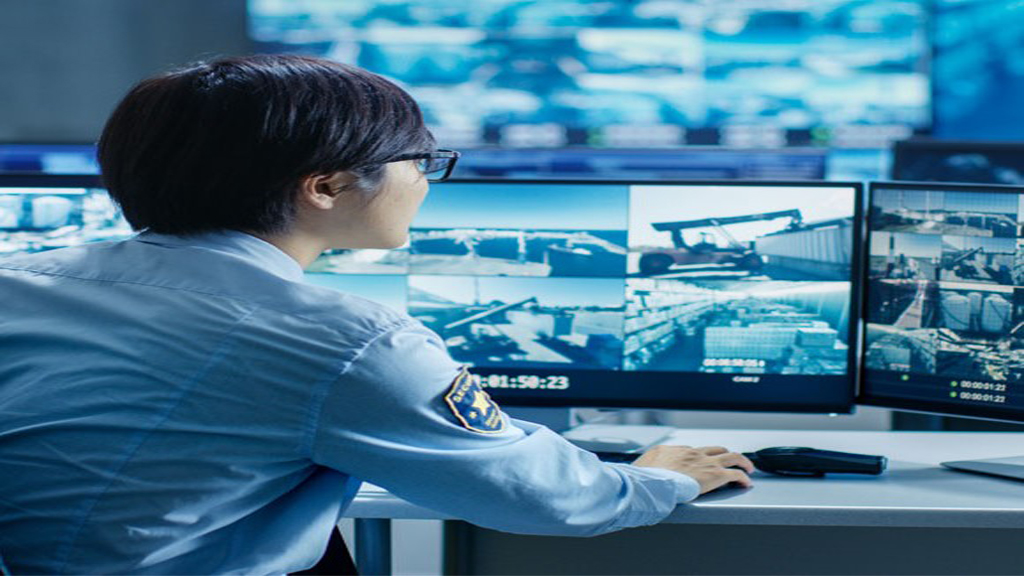
Video monitoring is different from simply recording cameras
A camera installation records or displays video. A monitoring program defines which events should be detected, who reviews them, what information is verified and what action follows. Boston High Tech designs and installs video systems that can support professional remote video monitoring, video verification and customer-managed alerting across Massachusetts, New York and New Jersey. The monitoring provider, hours, response actions and service responsibilities are confirmed in the project scope.
The design may combine fixed cameras, thermal or multisensor devices, video analytics, intrusion inputs, audio talk-down, lighting or strobe outputs, access-control events and a video-management or cloud platform. The correct architecture depends on the property, the risk, network reliability, privacy policy and the response expected after an event.
Choose the right operating model
| Model | Best fit | Planning questions |
|---|---|---|
| Customer-managed alerts | Teams that want mobile or desktop notification and will review events internally. | Who is on call, how alerts are acknowledged, and what happens when no one responds? |
| Video verification | Alarm events that need an associated clip or live view to help confirm activity. | Which alarm inputs trigger video, how pre-event footage is retained, and what information is transmitted? |
| Professional remote monitoring | Properties needing trained operators to review defined events during scheduled or continuous periods. | Monitoring hours, event criteria, escalation contacts, talk-down, dispatch rules and service-level responsibilities. |
| Operational video review | Warehouses, retail, multifamily and industrial sites using video for safety, deliveries or process review. | Retention, search, privacy, audit logs and which operational events must be captured. |
How a monitored event should work
1. Detect
A rule uses analytics, schedules, intrusion inputs or access events to identify activity worth reviewing. Detection zones, object classes and dwell times must be calibrated for the real scene.
2. Verify
The reviewer receives the correct camera views and enough pre-event context to distinguish people, vehicles, weather, animals and normal site activity.
3. Respond
The agreed workflow may include a customer notification, live audio warning, onsite contact, guard service or emergency dispatch. Every action and limitation belongs in the written response plan.
Sites that can benefit from monitoring and verification
- Construction sites, equipment yards and temporary project areas
- Parking lots, garages, loading docks and perimeter gates
- Warehouses, distribution centers and unattended exterior areas
- Multifamily entrances, package rooms and common spaces
- Retail, hospitality and after-hours commercial properties
- Critical rooms, restricted doors and high-value storage areas
What the system design must document
Monitoring performance starts with camera placement and network design. We define the event objective for each scene, the pixels and lighting needed to verify activity, analytics compatibility, recording and pre-event buffer, upload bandwidth, health supervision and failover assumptions. Exterior cameras require attention to headlights, weather, insects, moving vegetation, snow, shadows and seasonal changes. Audio devices and active deterrence require site-specific privacy, notice and operational review.
- Monitored areas, schedules, arming rules and excluded activity
- Camera views, analytics, alarm inputs and access-control events
- Network segmentation, outbound connectivity and cybersecurity ownership
- Retention, event clips, evidence export and audit-log requirements
- Contact lists, escalation order, duress and emergency limitations
- Testing frequency, health alerts, maintenance and change control
Installation, commissioning and handoff
Boston High Tech can survey existing cameras and infrastructure, identify reusable equipment, design new views, install or migrate cameras, configure event rules and coordinate supported integrations. Commissioning includes daytime and nighttime scene checks, analytic walk tests, notification and escalation tests, time synchronization, user permissions, mobile or desktop workflows and a documented acceptance test. Administrator training should cover schedule changes, event review, exports, user management and the process for updating contacts or response instructions.
A monitored system is only as reliable as its maintenance. Camera obstruction, changed lighting, construction, new landscaping, altered traffic flow and network changes can reduce event quality. The final scope should identify who reviews system-health alerts and how often detection rules and response lists are tested.
Privacy and cybersecurity
Video access should follow least-privilege roles, multifactor authentication where supported, unique administrator accounts and documented retention. Do not share live camera credentials by ordinary email or public web forms. Monitoring areas, audio use, signage, employee policies and disclosure requirements should be reviewed by the property owner with appropriate legal or compliance advisors.
Video monitoring questions
Can an existing camera system be monitored?
Sometimes. Compatibility depends on the cameras, recorder or cloud platform, analytics, event interfaces, remote connectivity and the selected monitoring service. A site and platform review is required.
Does video verification eliminate false alarms?
No system eliminates every false or unwanted event. Good camera placement, calibrated analytics, schedules and operator context can reduce unnecessary escalations, but expectations must be realistic and tested.
Can monitoring include audio warnings?
Supported systems may provide recorded or live talk-down. Speaker coverage, network latency, privacy, local requirements and the exact operator workflow must be evaluated for each property.
Is 24/7 monitoring included automatically?
No. Monitoring hours, provider, pricing, response services and contract terms are separate project decisions and must be stated in the proposal.
Plan a monitored video system
Request a site review for a commercial property in Massachusetts, New York or New Jersey. We will help define the scenes, event rules, infrastructure and response requirements before equipment is selected.
Request a video monitoring reviewRemote video monitoring cost and verification
Northeast clients can use this guide to prepare scope and acceptance requirements before field work in Massachusetts, New York or New Jersey.
Discuss installation, maintenance or service
Detailed guide maintained by 360TechnologyGroup.com, the parent-company knowledge center.