
The current Avigilon Alta Access platform—formerly Openpath—for cloud-managed doors, touchless mobile access and multi-site administration.
Products and selection guidance
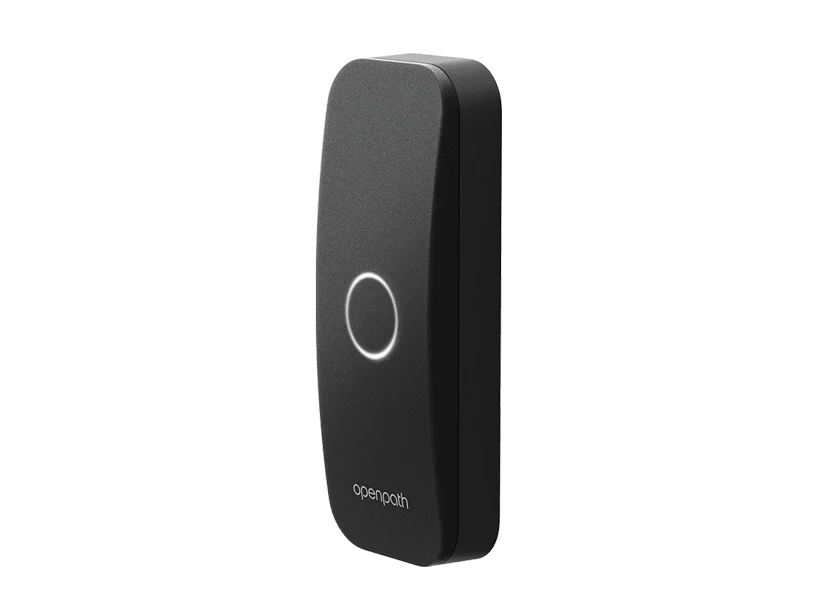
Alta Access combines cloud software, Smart Readers, mobile/physical credentials and identity integrations. Existing Openpath deployments should be described by current Alta names while retaining migration references for search and support. Define subscription tier, mobile unlock policy, SSO/directory integration, offline behavior and credential fallback.
- Alta Access cloud organization/site architecture
- Smart Readers and mobile/touchless entry
- Cards, fobs and mobile wallet/app credentials
- SSO, directory, visitor and workplace integrations
- Door, lock, free-egress, accessibility and fire-alarm requirements
- Network, power, standby battery and outage behavior
- Current licenses, subscriptions, firmware and integrations
- Administrator training, backup, documentation and maintenance
Site-specific design
Boston High Tech inventories existing equipment and validates current manufacturer compatibility before specifying reuse, migration or replacement. Qualifications may be confirmed privately when needed; license numbers, certificate copies and named certificate-holder details are not published.
Request a manufacturer-specific consultation
Projects are supported from our Charlotte headquarters and local client offices serving Massachusetts, New York and New Jersey.
Official manufacturer references
How to compare and specify this product family
For Avigilon Alta Access Cloud, Smart Readers and Mobile Access, the right model and architecture depend on the site, existing infrastructure and operating policy. A proposal should clearly document the following access-control system decisions before equipment is ordered:
- Number and type of controlled openings
- Controller, reader, lock and credential compatibility
- Cloud or on-premise administration and ownership
- Offline behavior, backup power and emergency operation
- Directory, HR, video, visitor and elevator integrations
- Licensing, cybersecurity, training and lifecycle support
Installation, testing and handoff
A site survey records each opening, door hardware, cable path, power, network, credential policy and integration requirement. The design then maps readers, controllers, locks, inputs, outputs and administrator roles to the operational workflow. Commissioning includes door-by-door functional tests, failure-mode and backup-power checks, permission and schedule tests, event verification, administrator training and as-built documentation. Product availability, subscriptions and supported integrations are confirmed for the current project before procurement.
Frequently asked questions
Answers to the questions we get about Alta Access cloud administration, Smart Readers, mobile credentials and the Openpath name change.
We bought this as Openpath. Is it the same platform now?
Openpath is the same platform under its current Avigilon Alta Access name. Existing deployments are described by current Alta names in drawings and proposals, with migration references kept so support articles and searches still resolve to the right system. Current licenses, subscriptions, firmware and integrations on the installed equipment are inventoried and checked for compatibility before anything is reused or replaced.
What is actually in the quote besides readers at the doors?
Alta Access combines cloud software, Smart Readers, mobile and physical credentials and identity integrations, so a complete quote covers the cloud organization and site architecture, the subscription tier, the credentials and the door hardware at each opening. Administrator training, backup, documentation and maintenance appear in it as well, since those items carry cost and ownership long after the doors are working.
If our internet connection drops, do the doors still open?
Door behavior during an outage depends on the offline behavior defined for your deployment, which is written into the design instead of discovered while the link is down. State what a reader must do without cloud connectivity, which credential fallback applies, and how long standby battery has to carry each opening. Free egress and the fire-alarm interface are designed at the door itself.
Can we keep the wiring and readers already at our doors?
Reuse is answered per opening, not per building. Boston High Tech inventories the existing equipment and validates current manufacturer compatibility before specifying reuse, migration or replacement, and the survey records the lock, free egress, accessibility and fire-alarm requirements at each door along with the network, power and standby battery available where a reader position is planned.
How is the relationship between our directory and access permissions settled?
That is one of the decisions the design records rather than something the hardware settles on its own. SSO, directory, visitor and workplace integrations are documented alongside subscription tier, mobile unlock policy, offline behavior and credential fallback, so name which directory is authoritative, who holds administrator rights in the Alta Access cloud organization, and which sites those rights cover. Those answers shape how joiners, movers and leavers reach door permissions.
Do we have to go all-mobile, or can cards stay?
Cards, fobs and mobile wallet or app credentials all belong to the same credential set, and one site can run them together. The mobile unlock policy settles which unlock methods are allowed at which doors and who may hold a mobile credential, and it names what a visitor or a staff member without a supported phone presents at the reader instead.
Avigilon Alta and Unity owner and buyer resources
Discuss Avigilon installation, maintenance or service
Detailed guides are maintained by 360TechnologyGroup.com, the parent-company knowledge center.
Official Avigilon Alta Access software, firmware and support
Official manufacturer resources. We link out rather than host firmware.
Before updating: confirm model, hardware revision, current version, entitlement and rollback plan, and schedule monitored or life-safety-adjacent systems with the administrator.