
Vehicle barrier arms and accessories for parking, commercial and controlled roadway applications.
Product and design guidance
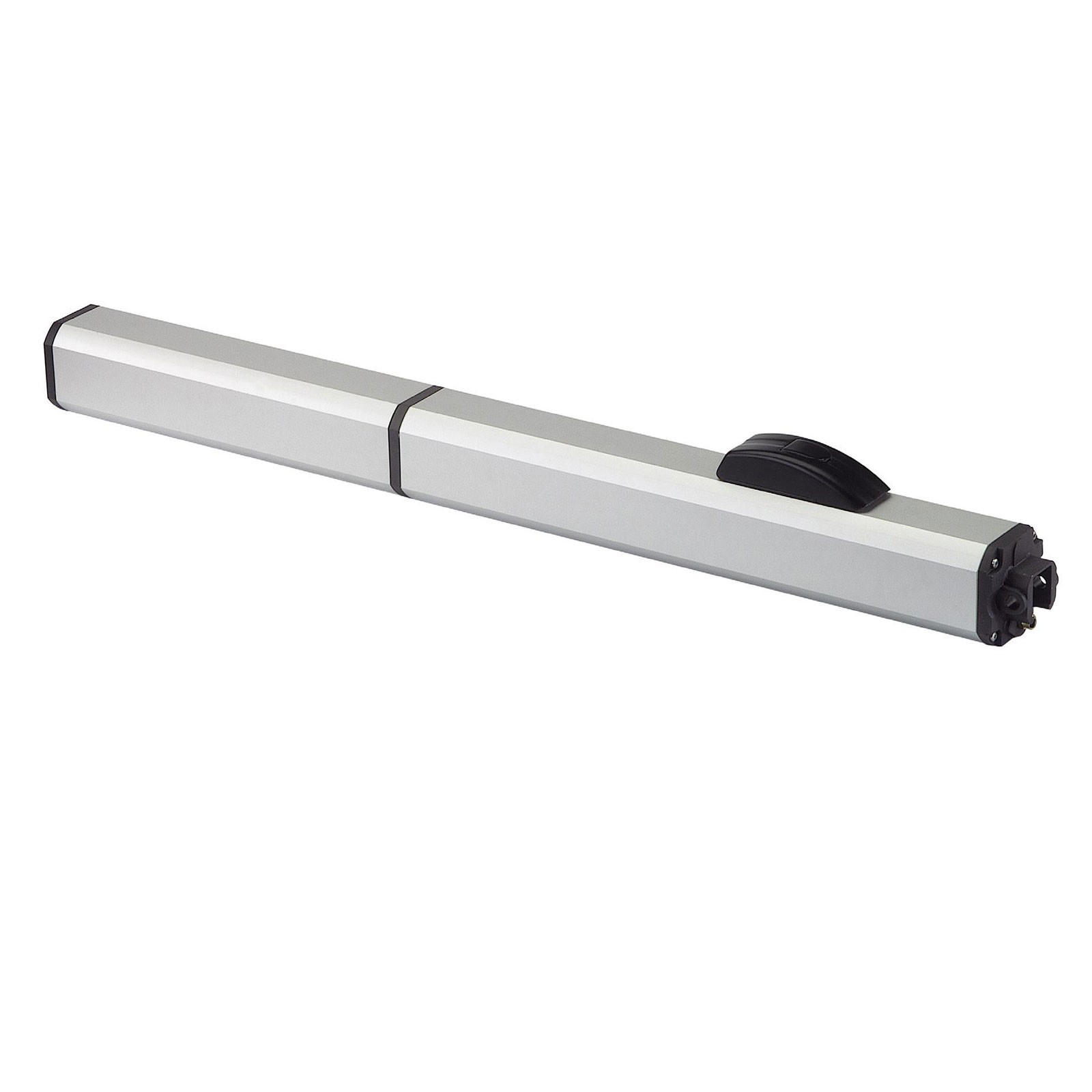
FAAC barrier systems combine cabinet, hydraulic/electromechanical drive, beam, control electronics and safety devices. Choose by lane width, cycles, opening speed, boom accessories, wind, cabinet protection and traffic stacking. Coordinate loops, photo eyes, signals, access devices and emergency operation.
- 615 and current barrier family application fit
- Lane width, beam length, speed and duty cycle
- Loop detectors, photo eyes, edges and traffic signals
- Credential/visitor control, manual release and backup power
- Site survey, applicable codes and approved operating sequence
- Power, network/radio, standby and outage behavior
- Current product lifecycle, firmware and integration compatibility
- Training, documentation, inspection and preventive maintenance
Engineering and privacy
Boston High Tech confirms the current manufacturer model and site conditions before procurement. Relevant qualifications can be verified privately when appropriate; certificate copies, license numbers and named certificate-holder records are not published.
Request a site-specific design
Supported from our Charlotte headquarters and local client offices serving Massachusetts, New York and New Jersey. Arrange office visits in advance.
Official manufacturer references
How to compare and specify this product family
For FAAC Barriers, Access Accessories and Safety, the right model and architecture depend on the site, existing infrastructure and operating policy. A proposal should clearly document the following vehicle gate and traffic-control system decisions before equipment is ordered:
- Gate type, weight, length and travel
- Daily cycles and peak traffic
- Monitored entrapment-protection devices
- Vehicle loops, photo eyes and safety edges
- Fire-department and emergency access
- Power, backup operation and preventive maintenance
Installation, testing and handoff
A site review verifies gate construction, travel, wind exposure, traffic flow, power and the required monitored safety devices before an operator is chosen. The final scope should identify controls, loops, photo eyes, edges, access-control interfaces, emergency operation and signage. Commissioning includes force and safety-device tests, access tests, operator limits, user training and a maintenance schedule. Existing gates may require mechanical correction before automation can be installed safely.
Frequently asked questions
What a FAAC barrier package includes, how the lane decides the model, and which safety devices belong in the sequence.
What is included in a barrier system?
A cabinet, the hydraulic or electromechanical drive housed in it, the beam, the control electronics and the safety devices, plus boom accessories and cabinet protection where the site calls for them. The beam is the visible part, while the drive and the control electronics are what a busy lane works hardest, so match those to the traffic rather than to the look.
How do you pick between the 615 and the other barrier families?
By the lane, not the catalog. Lane width sets beam length; daily cycles and peak traffic set duty cycle and the opening speed you need; wind exposure and cabinet protection narrow it further, and traffic stacking decides whether one lane can clear fast enough at shift change. Those numbers come off the site survey before the 615 or any other family is proposed.
Which safety devices have to go in with the barrier?
Monitored entrapment-protection devices come first, then the vehicle loops, photo eyes, safety edges and traffic signals that suit the lane. Loop placement follows the traffic pattern, including where a vehicle stops and where the next one waits. All of it ties to the approved operating sequence, so barrier, detection and signals behave as one described set of steps.
What does the lane need for power and controls?
Power at the cabinet, plus whatever path the controls use: network, radio or a hardwired run from the booth. Standby arrangements and outage behavior are specified with them, along with the manual release that lets staff raise the beam when there is no power. Route conduit for loops and control wiring before the pavement work is scheduled.
Our lot uses badge readers at the gate today. How does the barrier take that input?
Access devices and credential/visitor control are coordinated into the same approved operating sequence as the loops, photo eyes and signals, so the barrier raises on the events you define. Write that sequence in plain steps first: who is admitted, what proves it, what the signal shows, and what happens when a vehicle is still in the lane.
Will the barrier work with the radio transmitters our maintenance crew carries?
That depends on the receiver and control wiring at the lane rather than on the barrier family: network and radio paths, current product lifecycle, firmware and integration compatibility are reviewed against the equipment already in the lot. Bring model numbers and wiring records. Inspection and preventive maintenance intervals are set at the same time, keeping the whole lane on one schedule.
Official FAAC software, firmware and support
Official manufacturer resources. We link out rather than host firmware.
Before updating: confirm model, hardware revision, current version, entitlement and rollback plan, and schedule monitored or life-safety-adjacent systems with the administrator.