
Hydraulic and electromechanical gate automation for swing, sliding and concealed applications.
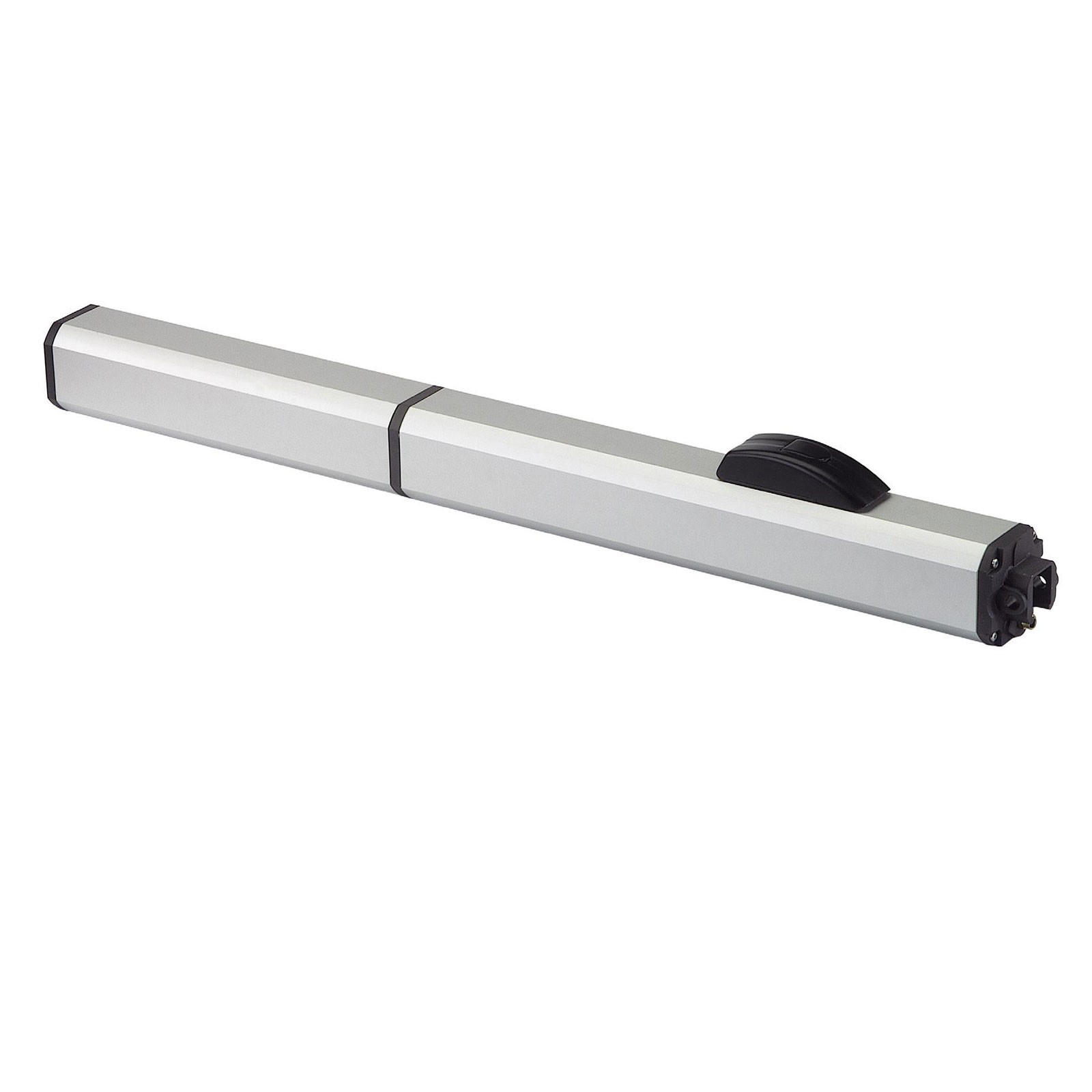
Product and design guidance
FAAC’s portfolio includes above-ground hydraulic swing operators, underground swing systems and sliding automation. Select the exact operator from gate leaf length/weight, duty cycle, geometry, stops, wind, voltage and environmental conditions. Hydraulic reliability does not eliminate the need for a mechanically sound gate and compliant safety system.
- 400/related hydraulic swing operator geometry
- S800/underground operator drainage and foundation
- Sliding operator gate rack, track and travel
- Control board, encoder, locks, release and monitored safety devices
- Site survey, applicable codes and approved operating sequence
- Power, network/radio, standby and outage behavior
- Current product lifecycle, firmware and integration compatibility
- Training, documentation, inspection and preventive maintenance
Engineering and privacy
Boston High Tech confirms the current manufacturer model and site conditions before procurement. Relevant qualifications can be verified privately when appropriate; certificate copies, license numbers and named certificate-holder records are not published.
Request a site-specific design
Supported from our Charlotte headquarters and local client offices serving Massachusetts, New York and New Jersey. Arrange office visits in advance.
Official manufacturer references
How to compare and specify this product family
For FAAC Hydraulic Swing, Slide and Underground Gate Operators, the right model and architecture depend on the site, existing infrastructure and operating policy. A proposal should clearly document the following vehicle gate and traffic-control system decisions before equipment is ordered:
- Gate type, weight, length and travel
- Daily cycles and peak traffic
- Monitored entrapment-protection devices
- Vehicle loops, photo eyes and safety edges
- Fire-department and emergency access
- Power, backup operation and preventive maintenance
Installation, testing and handoff
A site review verifies gate construction, travel, wind exposure, traffic flow, power and the required monitored safety devices before an operator is chosen. The final scope should identify controls, loops, photo eyes, edges, access-control interfaces, emergency operation and signage. Commissioning includes force and safety-device tests, access tests, operator limits, user training and a maintenance schedule. Existing gates may require mechanical correction before automation can be installed safely.
Frequently asked questions
What site managers ask before a FAAC hydraulic swing, underground or sliding operator is sized to their gate.
How do you decide which operator our gate needs?
The gate decides. Leaf length and weight, duty cycle, geometry, stops, wind exposure, the voltage available at the site and environmental conditions select the exact unit from the above-ground hydraulic swing operators, underground swing systems and sliding automation in the FAAC portfolio. Daily cycles and peak traffic are counted for that entrance, since a gate cycling all day is a different machine than one opening twice.
Our gate sags and drags. Will a new operator fix it?
No. Hydraulic reliability does not remove the need for a mechanically sound gate and a compliant safety system, so hinges, posts, rack and track are corrected before automation is sized to the leaf. An operator matched to the length, weight and duty cycle of a gate that binds is still fighting that gate on every cycle.
What extra work does an underground operator bring?
Foundation and drainage work enters the scope. An S800 or other underground swing system sits below grade, so the housing has to be formed, set and kept drained, and that civil work is scheduled and priced with the automation. Above-ground hydraulic swing operators mount to post and leaf instead, and are selected around swing geometry, stops and clearance at the opening.
Which safety devices go on a vehicle gate, and who checks them later?
Monitored entrapment-protection devices are part of the design from the start, and the specific mix of vehicle loops, photo eyes and safety edges follows from the approved operating sequence and the codes applying at the site. Commissioning exercises each device against that sequence, and the inspection and preventive-maintenance schedule handed over at closeout names who repeats the checks.
Who decides how the gate behaves for exiting traffic and hold-open time?
The approved operating sequence decides, agreed during the site survey and checked against applicable codes, and every device is then programmed to match. Control board, encoder, locks, release and monitored safety devices are specified against that sequence rather than left on default settings, so the way the gate treats an exiting vehicle is a written decision the owner signed.
The power goes out with a car at the gate. Then what?
Only what the design says should happen. Outage behavior is decided in advance: whether standby power is provided and what it has to carry, how the gate is left when it is not, and how the manual release is reached and by whom. The control board, locks and release are specified to that answer, and the release procedure goes into handoff training.
Official FAAC software, firmware and support
Official manufacturer resources. We link out rather than host firmware.
Before updating: confirm model, hardware revision, current version, entitlement and rollback plan, and schedule monitored or life-safety-adjacent systems with the administrator.