
Thermal cameras for detecting people, vehicles and heat signatures in darkness and difficult visual conditions.
Product and system guidance
FLIR fixed and pan-tilt thermal families detect heat rather than visible light. Choose thermal resolution, lens/detection range, analytics, target classification, weather, mounting and regulatory/export requirements. Detection does not equal identification; pair thermal with visible cameras and response procedures where evidentiary detail matters.
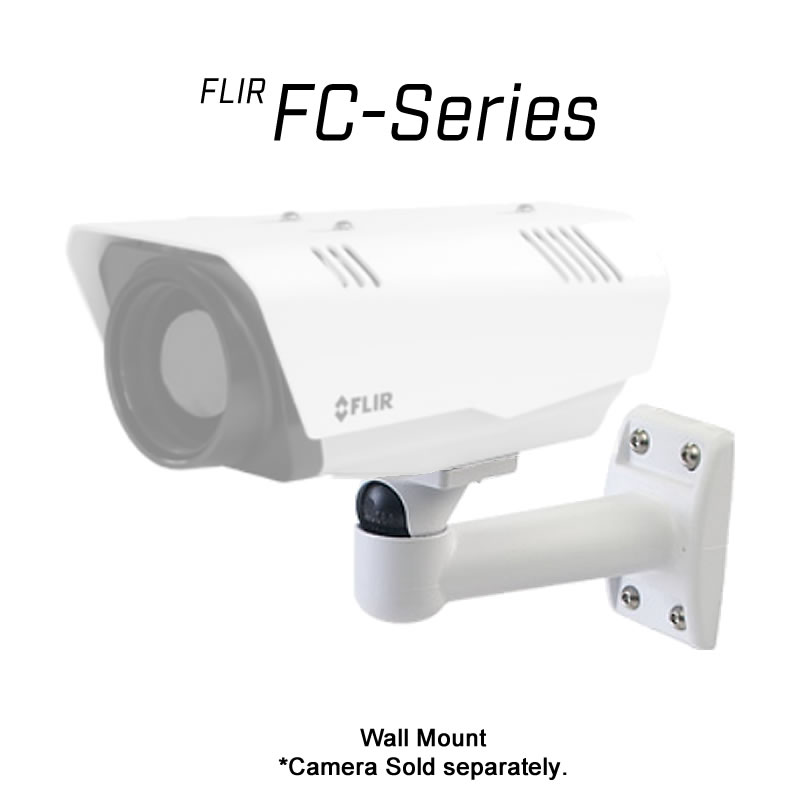
- FC/FB/Elara fixed thermal camera families
- Triton/FH multispectral fixed cameras
- PT-Series thermal/visible pan-tilt coverage
- Analytics, geolocation, radar cueing and false-alarm control
- Scene survey, pixels on target, lens and mounting
- Bandwidth, storage, retention and evidence export
- Firmware, cybersecurity, user roles and remote access
- Current regulatory, procurement and customer compliance requirements
Engineering before procurement
Boston High Tech validates current model availability, firmware, licenses, analytics, VMS compatibility and storage calculations. We do not publish private certificate numbers or named certificate-holder records; qualifications can be confirmed through appropriate private channels.
Request a video-system design review
Serving projects from our Charlotte headquarters and local client offices in Massachusetts, New York and New Jersey. Office visits are arranged in advance.
Official manufacturer references
How to compare and specify this product family
For FLIR Thermal Security Cameras and Perimeter Detection, the right model and architecture depend on the site, existing infrastructure and operating policy. A proposal should clearly document the following video-surveillance system decisions before equipment is ordered:
- Scene purpose and required pixels on target
- Lens, mounting height, WDR, IR and low-light needs
- Analytics supported by the selected camera and VMS
- Bandwidth, PoE and network segmentation
- Retention, storage throughput and export workflow
- User roles, cybersecurity, health monitoring and support
Installation, testing and handoff
Design starts with the evidence or operational result required at each scene—not megapixels alone. We document fields of view, identification targets, lighting, camera placement, network load, recording profiles and retention assumptions. Commissioning covers focus, exposure, time synchronization, analytics calibration, user permissions, mobile or remote access, export testing and health alerts. Final documentation records device names, locations, addressing, retention settings and administrator procedures without publishing private credentials.
Frequently asked questions
What thermal cameras can and cannot tell you at a perimeter, and how the family, lens and analytics are chosen.
Will thermal footage show us who the person was?
No. A thermal camera reports a heat signature, and detection does not equal identification, so it can tell you something is moving along the fence line without giving evidentiary detail. Where you need a face or a plate, pair thermal with a visible camera covering the same ground, and write the response procedure that says who checks which stream.
Is one steerable camera enough for a large yard?
Not for continuous detection: a PT-Series thermal and visible pan-tilt unit covers ground by moving, so whatever it is not pointed at is uncovered at that moment. Fixed thermal cameras from the FC, FB and Elara families watch defined ground without moving, and Triton and FH multispectral fixed cameras hold thermal and visible in one position. Fixed detection plus one steerable camera for assessment is a workable split.
Our fence line has no lighting. Is that a problem?
Not for the thermal camera, which detects heat rather than visible light. Any visible camera paired with it does depend on light or on its own low-light capability, so lighting decisions follow the visible side of the design. Mounting height, weather exposure and lens choice are recorded for both cameras at the same survey point.
How far out will it detect someone?
Detection range comes out of thermal resolution and the lens in front of it, measured against the ground you need to watch. The survey sets pixels on target for a person and for a vehicle at the far edge of that ground, and lens and mounting follow from it. Treat range as a result of those choices rather than a number picked from a datasheet.
What does adding thermal streams do to our recording server?
It changes bandwidth and storage, which is why VMS compatibility and storage calculations are validated against the models proposed rather than estimated. Give us the retention period you must meet, the number of streams and your evidence export rules before the camera count is fixed, because a perimeter recording continuously and one recording on analytic events size very differently.
The current system alarms every time a raccoon crosses the yard. What reduces that?
Start with the detection chain rather than swapping the camera. Analytics, geolocation, radar cueing and false-alarm control are set up as one group, and thermal resolution, lens and detection range, weather, mounting and target classification decide what that group has to work with. Agree the acceptable alarm level and the response procedure first, then choose the camera and platform that can be tuned toward it.
FLIR owner, administrator and buyer resources
Discuss FLIR installation, maintenance or service
Detailed guides are maintained by 360TechnologyGroup.com, the parent-company knowledge center.
Official Teledyne FLIR software, firmware and support
Official manufacturer resources. We link out rather than host firmware.
Before updating: confirm model, hardware revision, current version, entitlement and rollback plan, and schedule monitored or life-safety-adjacent systems with the administrator.