
Door-control hardware ranging from single-door edge devices to multi-door Brivo and Mercury architectures.
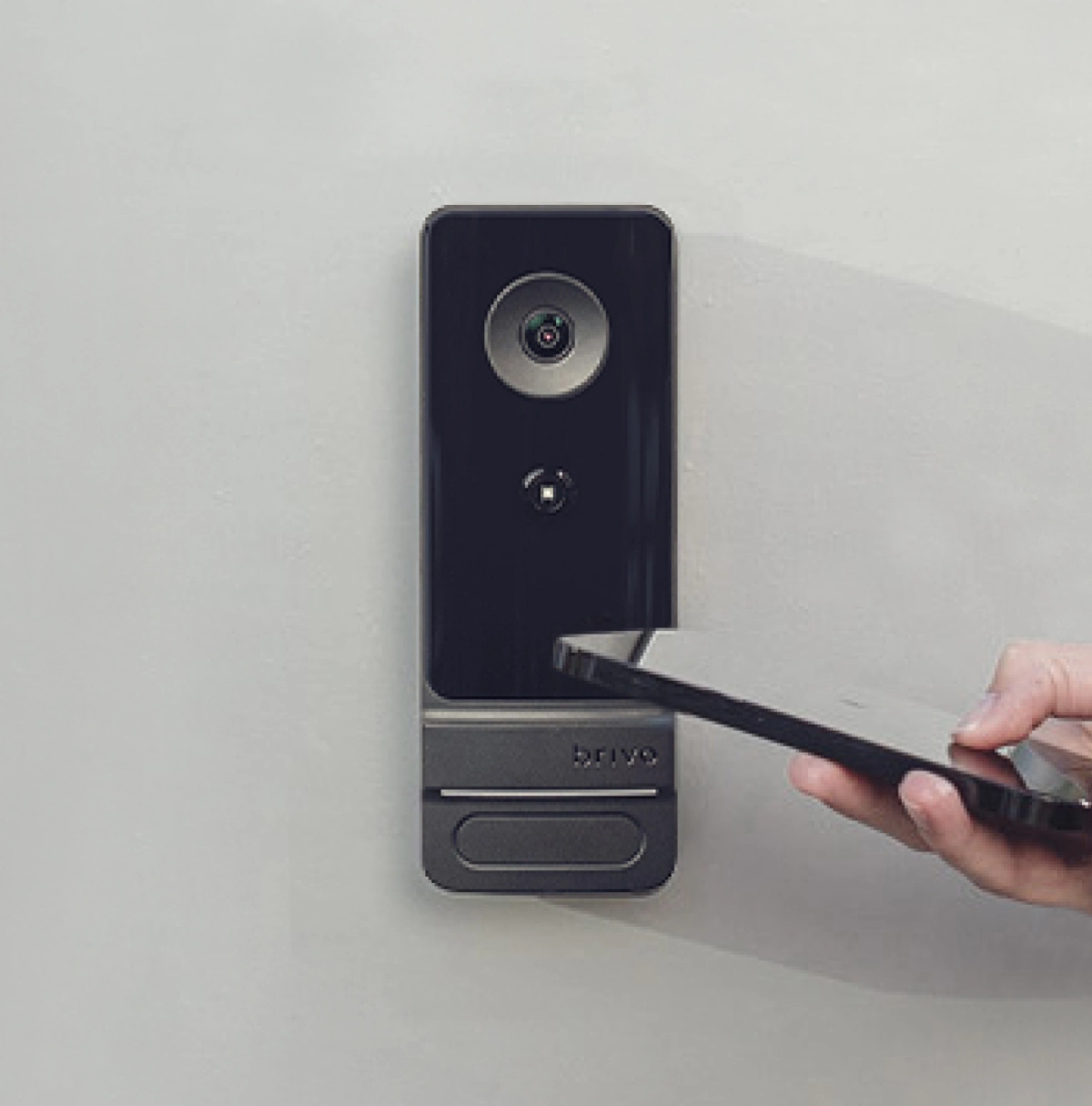
Product and design guidance
Brivo lists ACS6000 multi-door panels, Authentic Mercury options, ACS300 two-door panels, ACS-SDC single-door controllers and the ACS100 combined reader/controller. Smart Readers and OSDP-compatible choices support mobile, encrypted smart-card, fob, PIN and legacy credentials as applicable. Panel choice depends on doors, inputs/outputs, expansion, protocol, power and reuse.
- ACS6000 or Mercury multi-door architecture
- ACS300, ACS-SDC or ACS100 edge/small-site architecture
- Smart Reader form factor, keypad and OSDP secure communication
- Credential migration from proximity to encrypted smart/mobile access
- Code-compliant lock, egress and fire-alarm sequence
- Network, power, battery and outage behavior
- Licenses, subscriptions, integrations and data ownership
- Administrator training, documentation and maintenance
How Boston High Tech helps
We survey the doors, existing panels and readers, credentials, network, identity workflow and integrations before finalizing a bill of materials. We may confirm relevant certification privately, but do not publish certificate copies, license numbers or named certificate-holder information.
Request a product-specific consultation
Serving projects from our Charlotte headquarters and local client offices in Massachusetts, New York and New Jersey. Please arrange office visits in advance.
Official manufacturer references
How to compare and specify this product family
For Brivo Panels, Smart Readers and Credentials, the right model and architecture depend on the site, existing infrastructure and operating policy. A proposal should clearly document the following access-control system decisions before equipment is ordered:
- Number and type of controlled openings
- Controller, reader, lock and credential compatibility
- Cloud or on-premise administration and ownership
- Offline behavior, backup power and emergency operation
- Directory, HR, video, visitor and elevator integrations
- Licensing, cybersecurity, training and lifecycle support
Installation, testing and handoff
A site survey records each opening, door hardware, cable path, power, network, credential policy and integration requirement. The design then maps readers, controllers, locks, inputs, outputs and administrator roles to the operational workflow. Commissioning includes door-by-door functional tests, failure-mode and backup-power checks, permission and schedule tests, event verification, administrator training and as-built documentation. Product availability, subscriptions and supported integrations are confirmed for the current project before procurement.
Frequently asked questions
Questions about choosing Brivo panels and readers, reusing installed hardware, and settling door behavior before equipment is ordered.
Twelve doors in one building and two at a remote suite: which Brivo panels fit?
Door count is where panel selection starts, and the listed options split along those lines: ACS6000 multi-door panels and Authentic Mercury options cover the multi-door architecture, while ACS300 two-door panels, ACS-SDC single-door controllers and the ACS100 combined reader/controller cover edge and small-site work. Inputs and outputs, expansion, protocol, power and reuse then narrow the choice per location.
Do we have to reissue every badge to move off proximity cards?
Not necessarily in a single step. Smart Readers and OSDP-compatible choices are listed as supporting mobile, encrypted smart-card, fob, PIN and legacy credentials as applicable, so credential migration from proximity to encrypted smart/mobile access can run in stages where the selected reader accepts both. Set a cutover date for legacy cards, since two credential sets keep old cards in circulation.
We already run Mercury panels. Can they stay?
Existing Mercury hardware is evaluated on site rather than ruled in or out in advance. Brivo lists Authentic Mercury options alongside the ACS6000 multi-door panels, and reuse is one of the factors in panel choice together with doors, inputs and outputs, expansion, protocol and power. We inventory the existing panels, readers, credentials, network and integrations before finalizing a bill of materials.
Who owns the account and the event data once the system is live?
Your organization makes that call, and the proposal records the outcome. Licenses, subscriptions, integrations and data ownership is one of the items documented before equipment is ordered, so name the account holder, the integrations in scope, and who may export or remove cardholder records. The identity workflow that creates those records is surveyed at the same time.
What happens at the doors when the fire alarm goes off?
What the sequence says happens. A code-compliant lock, egress and fire-alarm sequence is written for each opening before hardware is ordered, stating which doors release on alarm, which stay latched with free egress from the inside, and how the panel takes the alarm signal. Review that sequence with the fire alarm contractor and the authority having jurisdiction before the panels go in.
How long do the doors need to keep working if power is lost?
Your operating policy sets that duration, and the duration drives standby battery sizing at each panel. Network, power, battery and outage behavior is a recorded decision, so state which openings must stay under control during an outage, which may fall back to a known state, and how long the site should ride through before staff intervene.
Official Brivo software, firmware and support
Official manufacturer resources. We link out rather than host firmware.
Before updating: confirm model, hardware revision, current version, entitlement and rollback plan, and schedule monitored or life-safety-adjacent systems with the administrator.