
Cloud/on-premise management tools plus dedicated elevator emergency-communication products for projects that extend beyond a door intercom.
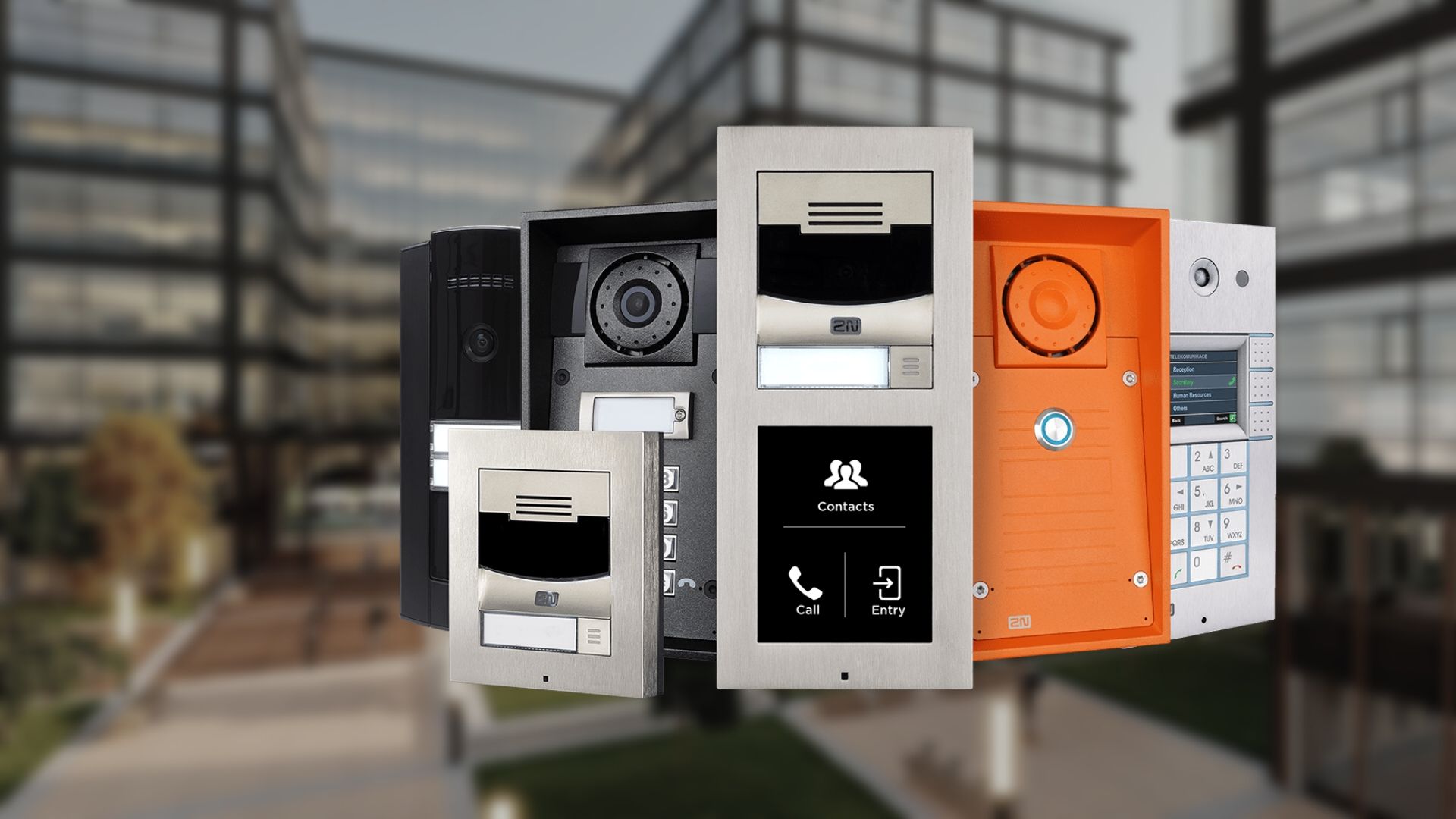
What this product family does
2N lists the My2N Management Platform and 2N Access Commander for administration, along with a separate elevator portfolio including LiftIP, LiftGate, Lift8, EasyGate and related call-center/service tools. Elevator emergency communication is a code- and carrier-sensitive specialty and must be coordinated with the elevator contractor and authority requirements.
Products and decisions
| Product area | What it includes | Selection guidance |
|---|---|---|
| My2N | Cloud management, calling and mobile access ecosystem | Confirm sites, devices, users, subscriptions and internet dependencies |
| Access Commander | Local management for supported 2N devices | Size appliance/software, backups, updates and admin roles |
| Elevator products | Emergency communication, gateway and monitoring families | Select only with elevator type, phone/network path, code and monitoring destination documented |
| Operations | Firmware, certificates, backups and service access | Create a maintenance and cybersecurity ownership plan |
Questions to answer before quoting
- Cloud or on-premise management?
- Who owns firmware and backups?
- Which elevator contractor and monitoring center approve the design?
- What cellular/IP path and emergency-power behavior are required?
- Who owns administration, backups, updates and recurring services?
- What must continue working during network, internet or power failure?
- Which opening, egress, accessibility and life-safety requirements apply?
- What training, documentation and preventive maintenance are required?
Request a product-specific site survey
Boston High Tech serves projects from our Charlotte headquarters and local client offices serving Massachusetts, New York and New Jersey.
Official manufacturer references
Capabilities and product families were checked against the manufacturer links below.
How to compare and specify this product family
For 2N Management Platforms and Elevator Communication, the right model and architecture depend on the site, existing infrastructure and operating policy. A proposal should clearly document the following intercom and visitor-entry system decisions before equipment is ordered:
- Resident, tenant and directory workflow
- Audio/video quality at the proposed mounting point
- Mobile, desk-station and accessibility needs
- Door release, elevator and access-control interfaces
- Network, PoE, cellular and call-routing requirements
- Privacy, administrator roles and after-hours procedures
Installation, testing and handoff
Planning follows the visitor journey from arrival through verification, calling, release and audit history. We confirm mounting and accessibility, lighting and acoustics, door hardware, network paths, call routing, directory ownership and failover behavior. Commissioning tests every call destination and release path, including mobile and front-desk workflows, and verifies administrator roles and notification settings. The handoff includes directory-update procedures, user training and a documented support path.
Frequently asked questions
Answers on choosing between 2N management platforms and on what elevator emergency communication requires before anyone quotes it.
Should administration live in the cloud or on a server we own?
My2N is the cloud management, calling and mobile access ecosystem, while 2N Access Commander is local management for supported 2N devices, so the real question is where you want the dependency. A My2N design confirms sites, devices, users, subscriptions and internet dependencies. An Access Commander design sizes the appliance or software, backups, updates and admin roles.
Which elevator product should we put in the budget?
None of them can be picked from a catalog page. The elevator portfolio includes LiftIP, LiftGate, Lift8 and EasyGate plus related call-center and service tools, and the selection is made only after the elevator type, the phone or network path, the applicable code requirements and the monitoring destination are documented for your building.
Who has to sign off on an elevator emergency phone design?
The elevator contractor and monitoring center approve the design, together with the authority whose requirements govern the installation. Elevator emergency communication is code and carrier sensitive, so those approvals come before equipment is ordered and not after a rough-in is already in the hoistway. Bring the elevator contractor into the first design meeting.
Can the emergency phone run on our data network instead of a copper line?
What the jurisdiction and the monitoring center accept decides that, not the network anyone prefers. The design records the required cellular/IP path and emergency-power behavior for the building, including how the device reaches the monitoring destination while normal building power is out. Write that requirement down first, because the requirement narrows the hardware list.
Firmware updates and backups: whose job is that?
Whoever the maintenance and cybersecurity ownership plan names, and that plan belongs to the handoff rather than to an afterthought. Firmware, certificates, backups and service access each get one named owner, which can be your IT group, your property staff, or us under a service agreement. Systems drift when three parties each assume another party is watching.
Can the intercom release doors that our access control system already controls?
Two systems can share an opening, and the interface method is fixed per door during design. Door release, elevator and access-control interfaces are listed on the door schedule so both trades wire to the same drawing: which device energizes the lock, which system holds the schedule, and who gets called when a release fails.
2N owner, administrator and buyer resources
Discuss 2N installation, maintenance or service
Detailed guides are maintained by 360TechnologyGroup.com, the parent-company knowledge center.
Official 2N software, firmware and support
Official manufacturer resources. We link out rather than host firmware.
Before updating: confirm model, hardware revision, current version, entitlement and rollback plan, and schedule monitored or life-safety-adjacent systems with the administrator.